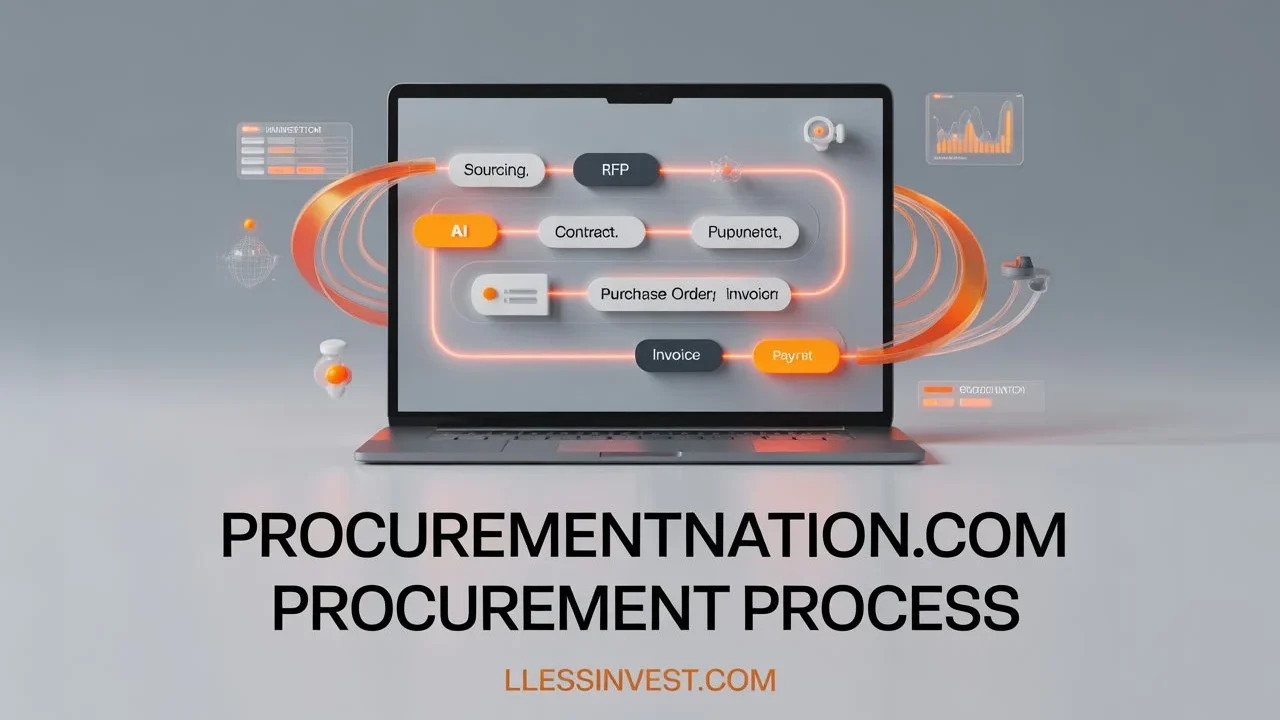
ProcurementNation.com Procurement Process Strategy
Introducation
Procurement is no longer a back-office task.
It is now a growth driver.
In the past, teams focused only on buying goods at the lowest price. Today, procurement leaders shape company strategy. They manage supplier relationships, reduce risk, support innovation, and protect profit margins.
Why Procurement Is Now a Strategic Function
Modern organizations depend on:
- Global supply chains
- Cloud-based ERP systems
- Real-time spend analytics
- ESG compliance
- Data-driven decision-making
Chief Procurement Officers (CPOs) now sit beside CFOs and COOs. They influence:
- Cash flow
- Working capital
- Risk mitigation
- Vendor ecosystems
- Digital transformation
Procurement directly impacts EBITDA and long-term competitiveness.
The Evolving Role of Procurement in Global Organizations
In companies like SAP, Coupa, Oracle, and IBM, procurement teams manage:
- Technology sourcing
- Strategic partnerships
- Supplier innovation programs
- Compliance across global markets
Procurement has shifted from reactive buying to proactive value creation.
What Is the Procurement Process?
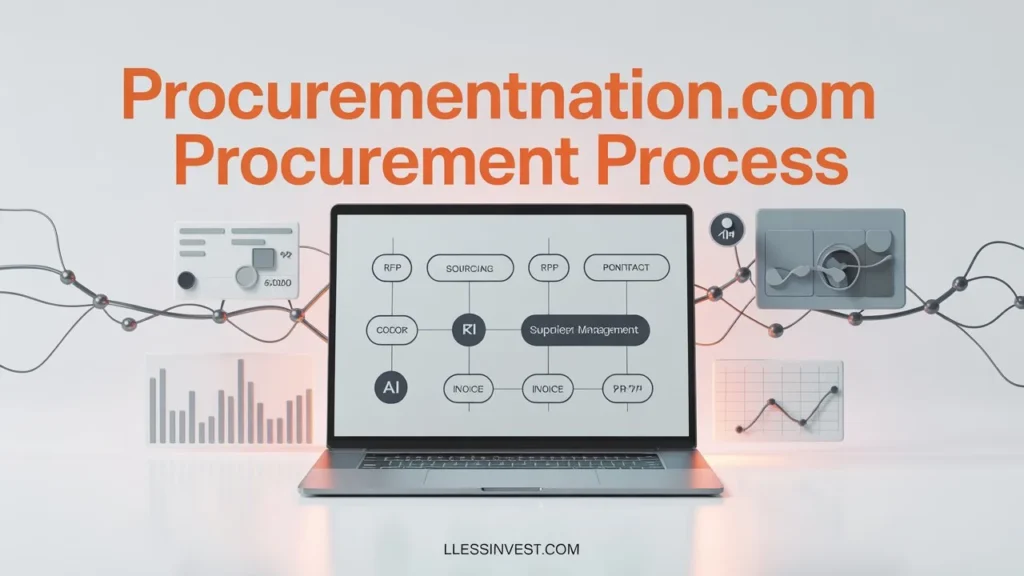
The ProcurementNation.com procurement process refers to the structured steps organizations follow to acquire goods and services efficiently, ethically, and strategically.
It includes planning, sourcing, contracting, purchasing, receiving, paying, and supplier evaluation.
Definition and Scope
Procurement covers:
- Identifying business needs
- Selecting qualified suppliers
- Negotiating contracts
- Managing purchase orders
- Ensuring compliance
- Monitoring supplier performance
It connects finance, operations, legal, HR, and supply chain.
Procurement vs Sourcing vs Supply Chain
| Function | Focus | Objective |
|---|---|---|
| Procurement | End-to-end purchasing | Ensure value, compliance, and efficiency |
| Strategic Sourcing | Supplier selection strategy | Optimize cost and supplier value |
| Supply Chain Management | Flow of goods and logistics | Deliver products efficiently |
Procurement is a key component of supply chain management but focuses more on supplier and contract governance.
Direct vs Indirect Procurement
| Type | Description | Examples |
|---|---|---|
| Direct Procurement | Goods used in production | Raw materials, components |
| Indirect Procurement | Operational support items | Office supplies, HR software |
Both require structured governance.
The Complete Procurement Lifecycle
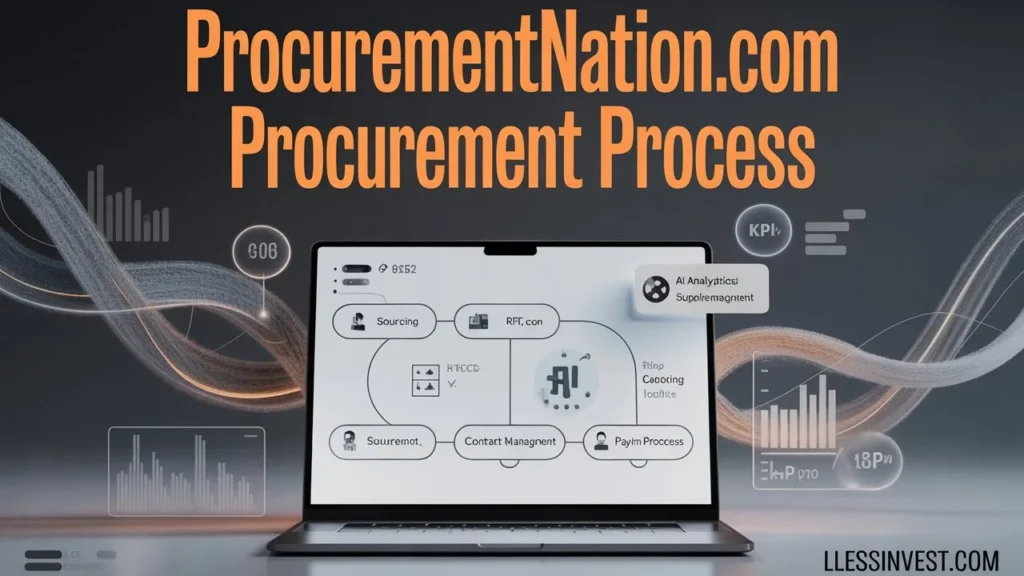
The lifecycle is systematic. Each stage builds control and transparency.
3.1 Needs Identification and Demand Planning
This stage defines:
- What is required
- Quantity needed
- Timeline
- Business justification
Teams use demand forecasting and historical spend analysis.
3.2 Budget Validation and Internal Approvals
Finance verifies:
- Budget availability
- Cost center allocation
- CAPEX vs OPEX classification
Approval workflows reduce maverick spending.
3.3 Supplier Discovery and Market Research
Procurement teams evaluate:
- Supplier capability
- Financial stability
- ESG compliance
- Industry certifications
Tools often integrate supplier databases and risk platforms.
3.4 RFI, RFQ, and RFP Management
| Document | Purpose | Used When |
|---|---|---|
| RFI (Request for Information) | Collect supplier capability data | Early exploration |
| RFQ (Request for Quotation) | Obtain price quotes | Standardized products |
| RFP (Request for Proposal) | Evaluate solutions and expertise | Complex services |
Structured comparison ensures fairness.
3.5 Supplier Evaluation and Selection Criteria
Evaluation often includes:
- Cost competitiveness
- Total Cost of Ownership (TCO)
- Quality certifications
- Delivery reliability
- Compliance history
Scorecards help rank suppliers objectively.
3.6 Contract Negotiation and Risk Allocation
Contracts define:
- Payment terms
- Service Level Agreements (SLAs)
- Penalties
- Risk-sharing clauses
Legal and procurement teams collaborate to reduce exposure.
3.7 Purchase Order Creation and Authorization
A Purchase Order (PO) formalizes the transaction.
It contains:
- Item description
- Quantity
- Agreed price
- Delivery schedule
PO automation reduces manual errors.
3.8 Goods Receipt, Inspection, and Quality Control
Warehouse teams confirm:
- Quantity received
- Quality compliance
- Delivery timeline
Non-conformance triggers corrective action.
3.9 Three-Way Matching and Invoice Processing
Three-way matching compares:
| Document | Purpose |
|---|---|
| Purchase Order | What was ordered |
| Goods Receipt | What was delivered |
| Invoice | What is billed |
Matching prevents fraud and duplicate payments.
3.10 Payment Execution and Financial Reconciliation
Payments follow agreed terms such as Net 30 or Net 60.
Accounts payable ensures:
- Invoice accuracy
- Tax compliance
- Cash flow alignment
3.11 Supplier Performance Monitoring and Continuous Improvement
KPIs are reviewed quarterly.
Common metrics include:
- On-time delivery
- Defect rate
- Cost savings contribution
- SLA compliance
Strong supplier relationship management (SRM) drives innovation.
Strategic Procurement vs Tactical Buying
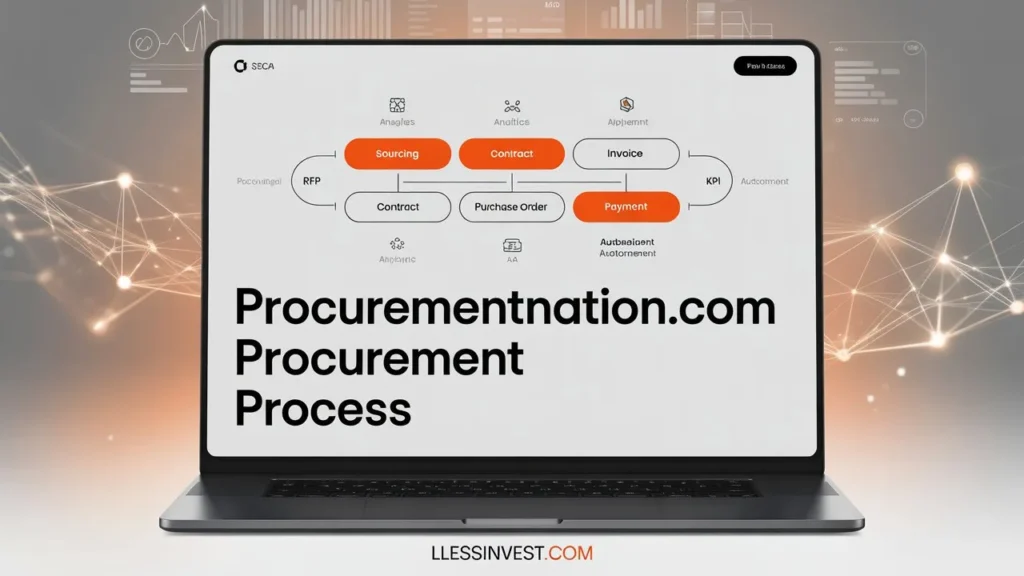
Tactical buying focuses on quick transactions.
Strategic procurement builds long-term advantage.
| Tactical Buying | Strategic Procurement |
|---|---|
| Short-term focus | Long-term partnerships |
| Price driven | Value driven |
| Reactive | Proactive |
Strategic procurement improves resilience and competitive positioning.
How ProcurementNation.com Streamlines Procurement Operations
The ProcurementNation.com procurement process integrates digital tools that centralize sourcing, approvals, and supplier management.
Platform Capabilities
- Automated approval workflows
- Spend dashboards
- Supplier risk alerts
- Contract repositories
Real-Time Data Visibility
Live spend analytics improve forecasting and budget control.
Integrated Procurement Tools
Integration with ERP systems like SAP and Oracle enhances workflow continuity.
Cross-Functional Collaboration Support
Finance, HR, and operations access shared dashboards, reducing silos.
The Role of Technology in Modern Procurement
Digital tools are reshaping procurement.
6.1 E-Procurement Systems
E-procurement platforms digitize sourcing and purchasing.
Benefits include:
- Reduced paperwork
- Faster approvals
- Full audit trails
6.2 AI and Machine Learning in Procurement
Artificial Intelligence supports:
- Predictive demand forecasting
- Supplier risk scoring
- Fraud detection
Machine learning models analyze historical data patterns.
6.3 Automation in Procure-to-Pay (P2P)
Procure-to-Pay connects sourcing to payment.
Automation reduces cycle time and manual errors.
6.4 Spend Analytics and Data-Driven Insights
Spend analytics answers:
- Where is money going?
- Which suppliers dominate spend?
- Where are savings opportunities?
Data dashboards increase transparency.
6.5 Contract Lifecycle Management (CLM)
CLM platforms manage:
- Drafting
- Approvals
- Renewals
- Compliance tracking
This reduces contract leakage.
AI in Procurement
Artificial Intelligence is changing how companies hire, contract, and manage talent. Procurement now supports HR in buying workforce services and technology.
The ProcurementNation.com procurement process supports AI-based evaluation models that help teams select vendors based on performance data, risk scoring, and cost efficiency.
AI-Driven Supplier Evaluation
AI tools analyze:
- Financial health
- Delivery performance
- Contract compliance
- ESG ratings
- Cybersecurity posture
Predictive models flag unstable vendors before disruption happens.
| AI Capability | Business Impact |
|---|---|
| Risk prediction | Fewer supply disruptions |
| Spend pattern analysis | Better cost control |
| Contract review automation | Faster approvals |
| Fraud detection | Lower financial leakage |
Machine learning systems improve over time. They learn from invoice errors, delivery delays, and supplier disputes.
AI in Workforce and Contingent Hiring Procurement
Procurement teams now manage:
- Recruitment agencies
- HR technology vendors
- Contingent workforce platforms
AI tools assess vendor success rates, time-to-fill metrics, and cost per hire.
HR and procurement collaboration reduces:
- Overpayment to staffing agencies
- Compliance risks
- Talent shortages
Ethical Implications of AI in HR Sourcing
AI must be fair.
Risks include:
- Algorithmic bias
- Lack of transparency
- Data privacy violations
Procurement must demand explainable AI systems and ensure compliance with global data laws.
Procurement and HR
Procurement and HR now share strategic goals.
How CHROs Benefit from Procurement Alignment
Chief Human Resource Officers gain:
- Vendor cost visibility
- Better contract terms
- Risk-managed outsourcing
Procurement supports HR technology investments such as payroll systems, training platforms, and workforce analytics tools.
Talent Strategy and Supply Chain Integration
Talent is part of the supply chain.
Workforce planning must align with:
- Production schedules
- Expansion plans
- Digital transformation initiatives
Procurement ensures staffing vendors can scale operations.
Workforce Planning and Supplier Ecosystems
Supplier ecosystems now include:
- HR technology providers
- Managed service providers
- Training and development firms
Strong governance improves service delivery and cost control.
Supplier Management and Relationship Optimization
Supplier relationships drive innovation and stability.
Supplier Onboarding Frameworks
Onboarding includes:
- Compliance verification
- Financial due diligence
- Security assessments
- ESG validation
| Onboarding Step | Purpose |
|---|---|
| Compliance checks | Avoid legal risk |
| Financial review | Ensure stability |
| Security audit | Protect data |
| ESG screening | Maintain reputation |
Performance Scorecards
Scorecards measure:
- Delivery accuracy
- Quality rate
- Cost performance
- Innovation contribution
Quarterly business reviews strengthen accountability.
Long-Term Partnership Development
Strategic partnerships enable:
- Joint product development
- Shared risk models
- Continuous cost reduction
Collaboration builds resilience.
Innovation Collaboration With Suppliers
Suppliers often suggest:
- Process automation ideas
- Cost-saving design improvements
- Sustainable material options
Procurement must encourage co-innovation.
Risk Management and Compliance in Procurement
Risk is everywhere.
Procurement must identify and control it early.
Regulatory Compliance Considerations
Compliance includes:
- Tax laws
- Import/export regulations
- Anti-bribery standards
- Labor laws
Audit trails must be digital and traceable.
Data Privacy and Cybersecurity
Procurement handles vendor data, contracts, and financial information.
Cybersecurity assessments should include:
- Encryption standards
- Cloud security certifications
- Access control policies
Supply Chain Disruption Mitigation
Disruptions can result from:
- Natural disasters
- Political instability
- Port congestion
- Raw material shortages
Diversified supplier networks reduce exposure.
Financial and Geopolitical Risks
Currency fluctuations and sanctions can affect pricing.
Procurement teams monitor global trade policies and risk indices.
Common Procurement Challenges and Bottlenecks
Every organization faces hurdles.
Maverick Spending
Unauthorized purchases increase cost and risk.
Solution: Automated approval workflows.
Manual and Paper-Based Workflows
Paper slows operations and increases errors.
Solution: E-procurement platforms.
Limited Spend Visibility
Without dashboards, leaders cannot see cost patterns.
Solution: Spend analytics tools.
Supplier Instability
Financial distress leads to delivery failure.
Solution: Continuous supplier risk monitoring.
Integration Difficulties
Disconnected systems create inefficiency.
Solution: ERP integration.
Procurement in the Arabian Emirates
The United Arab Emirates is a global trade hub.
Procurement teams operating in the region face unique factors.
Shipping and Logistics Complexity
Major ports like Jebel Ali Port handle large import volumes.
Delays in shipping lanes can impact inventory planning.
Regulatory Factors
Companies must comply with:
- VAT regulations
- Customs documentation
- Free zone policies
Understanding trade agreements is critical.
Inventory and Import/Export Dynamics
Many goods are imported.
Procurement must consider:
- Lead times
- Tariffs
- Storage costs
Digital Maturity Challenges
While the region invests in smart governance, digital adoption varies across suppliers.
Vendor capability assessment is important.
Data-Driven Procurement
Data drives smarter decisions.
Core Procurement KPIs
| KPI | What It Measures |
|---|---|
| Cost savings | Reduction from negotiated pricing |
| Cost avoidance | Prevented future increases |
| Spend under management | Controlled spend percentage |
| Supplier on-time rate | Delivery reliability |
| Procurement cycle time | Speed of process |
ROI of Procurement Technology
| Metric | Before Automation | After Automation |
|---|---|---|
| Invoice processing time | 10 days | 2 days |
| Error rate | High | Low |
| Approval delays | Frequent | Minimal |
Digital tools improve working capital management.
Ethical Procurement and Responsible Sourcing
Ethics builds trust.
Bias in AI-Driven Procurement
AI systems must be audited regularly.
Fair supplier evaluation protects brand reputation.
Transparency in Decision-Making
Clear evaluation criteria prevent favoritism.
Digital logs improve accountability.
Sustainable and ESG-Focused Sourcing
Companies now prioritize:
- Carbon footprint reduction
- Renewable materials
- Ethical labor standards
Sustainability improves long-term brand value.
Supplier Diversity Initiatives
Diverse supplier programs support:
- Small businesses
- Minority-owned firms
- Local enterprises
Diversity improves innovation and market reach.
Digital Transformation and Change Management
Technology alone is not enough.
People must adapt.
Overcoming Resistance to Automation
Employees fear change.
Leadership must explain benefits clearly.
Training and Adoption Strategies
Training programs should include:
- System tutorials
- Policy education
- Continuous support
Cross-Departmental Integration
Finance, HR, IT, and operations must collaborate.
Integrated systems reduce friction.
Centralized vs Decentralized Procurement Models
Organizations choose different structures.
Benefits and Trade-Offs
| Model | Advantage | Limitation |
|---|---|---|
| Centralized | Strong control | Less flexibility |
| Decentralized | Faster decisions | Higher risk |
| Hybrid | Balanced governance | Requires coordination |
Governance Frameworks
Clear policy manuals and approval hierarchies prevent confusion.
Cost Optimization Strategies Without Sacrificing Quality
Cost reduction must not harm quality.
Strategic Sourcing Frameworks
Strategic sourcing includes:
- Category management
- Supplier consolidation
- Long-term contracts
Negotiation Best Practices
Strong negotiation requires:
- Market research
- BATNA preparation
- Clear performance terms
Total Cost of Ownership (TCO) Approach
TCO includes:
- Purchase price
- Maintenance
- Logistics
- Disposal cost
| Cost Element | Included in TCO |
|---|---|
| Purchase price | Yes |
| Maintenance | Yes |
| Shipping | Yes |
| Downtime risk | Yes |
Building a Future-Ready Procurement Organization
Modern procurement requires new skills.
Skills Required
- Data analysis
- Risk management
- Contract law basics
- Supplier relationship management
- Digital literacy
Collaboration With Finance, HR, and Operations
Integrated planning reduces duplication and improves ROI.
Innovation Networks and Ecosystem Partnerships
Procurement leaders engage with:
- Technology startups
- Industry consortiums
- Digital marketplaces
Collaboration expands competitive advantage.
Emerging Trends Shaping the Future of Procurement
Procurement continues to evolve.
Autonomous Procurement Systems
Self-learning systems automate repetitive buying.
Blockchain in Supply Chain
Blockchain increases transparency and traceability.
Sustainable Procurement Models
Circular economy strategies reduce waste.
Predictive Analytics
Forecast models reduce demand volatility.
Hyperautomation
Combining AI, robotic process automation (RPA), and analytics improves speed and control.
Case Study Framework
Below is a simplified framework.
| Step | Action | Outcome |
|---|---|---|
| Needs analysis | Identify production shortage | Clear requirement |
| Supplier sourcing | Issue RFP | Competitive bids |
| Evaluation | Score vendors | Best value selected |
| Contracting | Negotiate SLAs | Risk controlled |
| Monitoring | Track KPIs | Continuous improvement |
This framework works across manufacturing, retail, healthcare, and technology sectors.
Final Thoughts
Procurement is no longer just purchasing.
It protects margins.
It reduces risk.
It supports innovation.
It drives sustainability.
When executed correctly, the ProcurementNation.com procurement process becomes a strategic engine.
Organizations that invest in digital tools, supplier collaboration, and data intelligence gain:
- Cost leadership
- Operational resilience
- Long-term growth
Procurement is not a cost center.
It is a competitive advantage.
FAQs
1. What is the main goal of the procurement process?
To acquire goods and services at the best value while managing risk and ensuring compliance.
2. How is procurement different from purchasing?
Purchasing is transactional. Procurement is strategic and includes supplier management.
3. What is three-way matching in procurement?
It compares the purchase order, goods receipt, and invoice to prevent payment errors.
4. Why is supplier performance monitoring important?
It ensures reliability, quality, and continuous improvement.
5. What role does AI play in procurement?
AI supports risk analysis, spend forecasting, and automation.
6. What is Total Cost of Ownership?
It measures all costs associated with a product over its full lifecycle.
7. How does procurement reduce financial risk?
Through contract control, supplier evaluation, and compliance checks.
8. What are common procurement challenges?
Maverick spending, manual workflows, and limited spend visibility.
9. How do centralized procurement models work?
A single team manages purchasing decisions across the organization.
10. Why is sustainable procurement important?
It protects brand reputation and supports long-term environmental goals.